3 Nov 2026
Mapping the Connection Between Player Transfer Windows and Market Volatility in Sports Betting
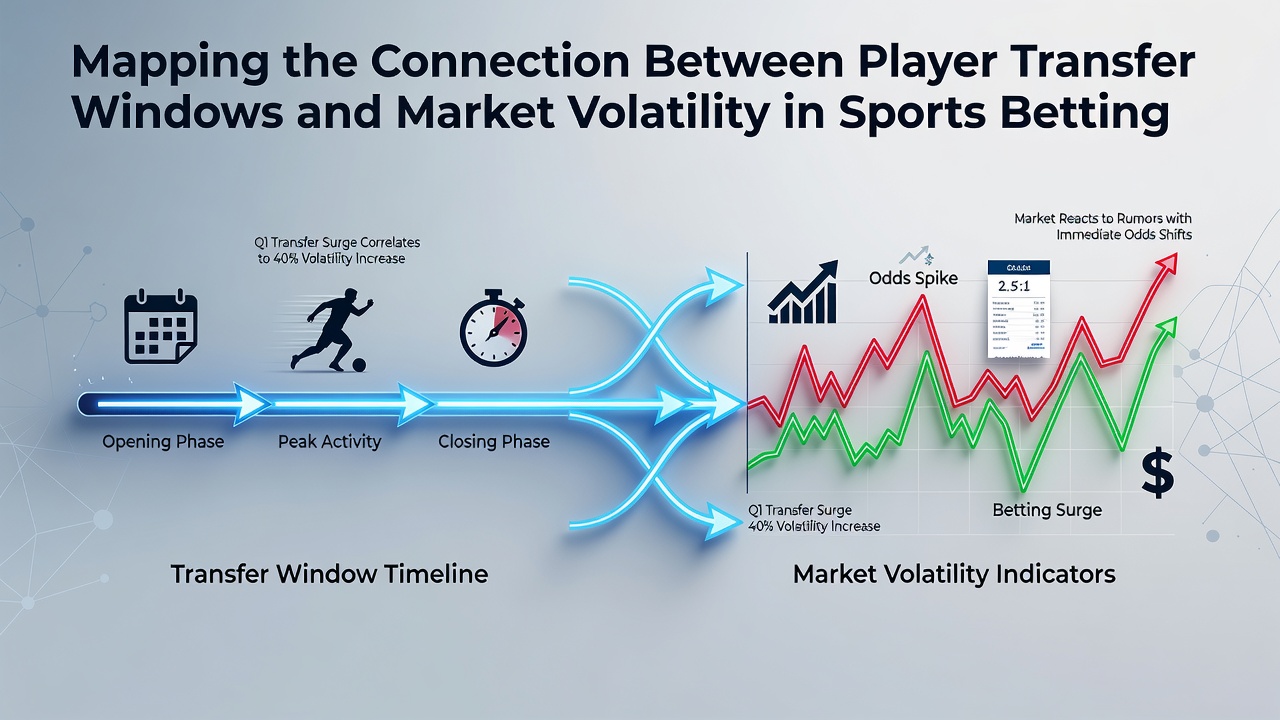
Player transfer windows in professional football create distinct periods when clubs complete buying and selling of athletes, and these intervals align with measurable shifts in sports betting market behavior according to industry data. Observers note that uncertainty around squad changes drives adjustments in odds across multiple betting platforms, while volume spikes occur as participants react to incoming information about player movements and their potential effects on team performance.
Defining Transfer Windows and Their Timing
Transfer windows operate under regulations set by governing bodies such as FIFA adn domestic leagues, with summer sessions typically running from June to September and winter sessions opening in January for most European competitions. Data from betting exchanges reveals that these windows generate increased activity because each completed deal alters expected outcomes for upcoming matches, and analysts track how such changes propagate through pricing models used by bookmakers.
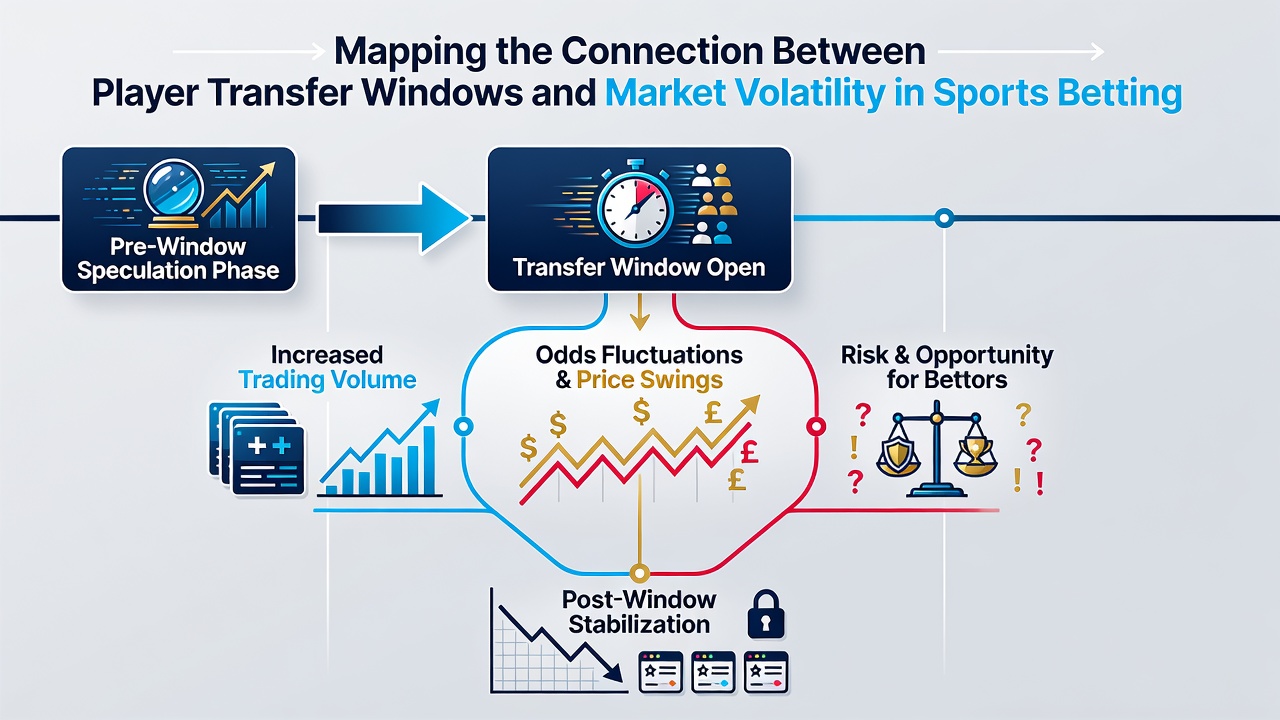
November 2026 stands out as a preparatory phase ahead of the January 2027 window, when clubs begin negotiations and rumors circulate about potential deals; during similar pre-window months in prior years, betting operators have recorded elevated volatility in futures markets tied to league standings and player performance metrics.
How Transfers Influence Betting Odds
Research indicates that incoming or outgoing players affect team dynamics in measurable ways, prompting oddsmakers to revise lines on match results, goal totals, and individual player props within hours of announcements. Studies from academic sources show that markets incorporating player statistics adjust more rapidly during windows because new data points on fitness, form, and tactical fit enter circulation quickly, leading to wider bid-ask spreads on certain propositions until consensus forms.
Market Volatility Patterns
Volatility manifests through larger price swings on betting exchanges, where contracts linked to specific teams or players experience greater variance when transfer news breaks. Figures from multiple operators demonstrate that average daily price movement in football markets rises by noticeable margins during active windows compared to closed periods, and this pattern holds across major leagues including the Premier League, La Liga, and Bundesliga.
Take one dataset compiled across several seasons that tracked odds on title contenders: when star players departed mid-window, implied probabilities shifted several percentage points within a single trading day, while incoming signings produced the opposite effect as bettors recalibrated expectations. Those who monitor these markets observe that liquidity sometimes thins during rapid news cycles, amplifying the impact of individual trades on overall pricing stability.
Evidence from Betting Data Providers
Industry reports compiled by organizations tracking global wagering trends highlight correlations between transfer deadlines and spikes in matched betting volume on both outright markets and in-play options. A study released through the University of Nevada, Las Vegas gaming research center examined historical odds data and found that volatility indices for football events climbed consistently during January windows, with the effect most pronounced in leagues where squad turnover exceeds typical thresholds.
Another set of figures released by the Australian wagering authorities showed similar patterns in Asian handicap markets tied to European competitions, where transfer-related adjustments created brief windows of mispricing that resolved once lineups stabilized. Observers note that these fluctuations appear across geographic regions because international bettors react simultaneously to the same news feeds and official confirmations.
Regional Variations in Response
European markets tend to exhibit faster incorporation of transfer information due to proximity to clubs and denser media coverage, whereas North American and Asian platforms sometimes display lagged reactions that extend volatility over additional days. Data compiled by regulatory bodies in Ontario, Canada, indicates that cross-border bettors contribute to sustained volume increases during European windows, even when local sports calendars remain unaffected.
What's interesting is how certain player positions amplify these effects more than others; central defenders and goalkeepers produce smaller but steadier odds movements, while attacking players generate sharper swings because their contributions tie directly to goal-related betting categories that attract higher interest.
Conclusion
Transfer windows function as recurring catalysts for shifts in sports betting market dynamics, with documented increases in volatility tied directly to the flow of player transactions and subsequent adjustments in performance expectations. Evidence drawn from multiple seasons and regulatory regions confirms that these periods produce measurable changes in odds behavior, volume distribution, and pricing spreads across major football competitions. Continued monitoring of these patterns provides ongoing insight into how external roster changes intersect with wagering activity on a global scale.