22 Sep 2026
How Machine Learning Algorithms Influence Predictions in International Football Leagues
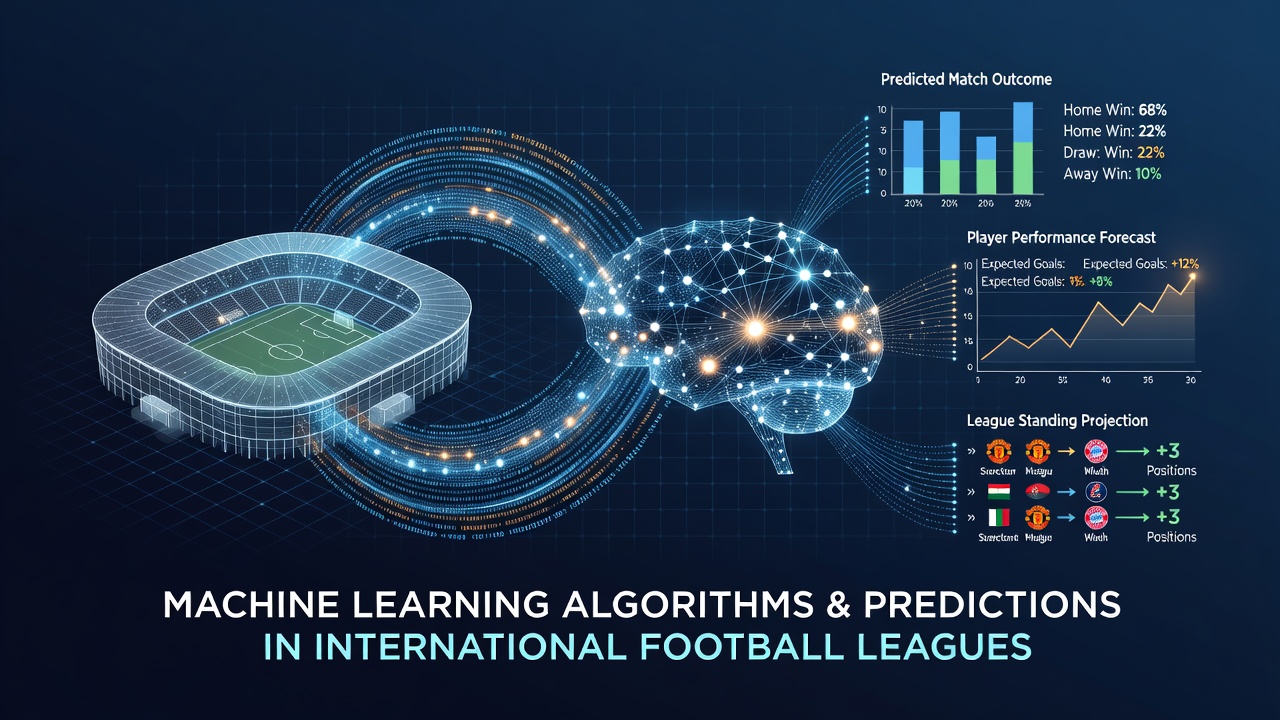
Machine learning algorithms process vast datasets from leagues such as the English Premier League, La Liga, Bundesliga, and Serie A to generate match outcome probabilities, goal forecasts, and player performance estimates, and these systems rely on supervised learning techniques that classify results based on features including expected goals, possession percentages, and injury reports.
Researchers collect inputs from official match logs, GPS tracking devices, and video analysis tools, then train models like gradient boosting machines and recurrent neural networks on seasons spanning the past decade, which allows the algorithms to identify patterns in team form that traditional linear regression often misses.
Data Inputs Driving Model Accuracy
International football datasets expand each season with variables such as set-piece efficiency, opponent pressing intensity, and weather conditions at kickoff, and analysts feed these into feature engineering pipelines that normalize statistics across different leagues where playing styles vary significantly.
Studies from academic institutions show that models incorporating real-time event data achieve higher precision in predicting draws compared to older methods limited to final scores, while September 2026 sees several top clubs integrating satellite-derived pitch condition metrics into their training routines for upcoming Champions League qualifiers.
Common Algorithms and Their League Applications
Random forest classifiers handle categorical outcomes like win-draw-loss by splitting decision trees on thresholds for shots on target and pass completion rates, whereas deep learning architectures process sequential match sequences to forecast second-half adjustments in high-stakes fixtures across European and South American competitions.
Practitioners apply support vector machines to smaller datasets from leagues with fewer matches, such as the Australian A-League, and these techniques scale when combined with ensemble methods that aggregate predictions from multiple models trained on the same historical matches.
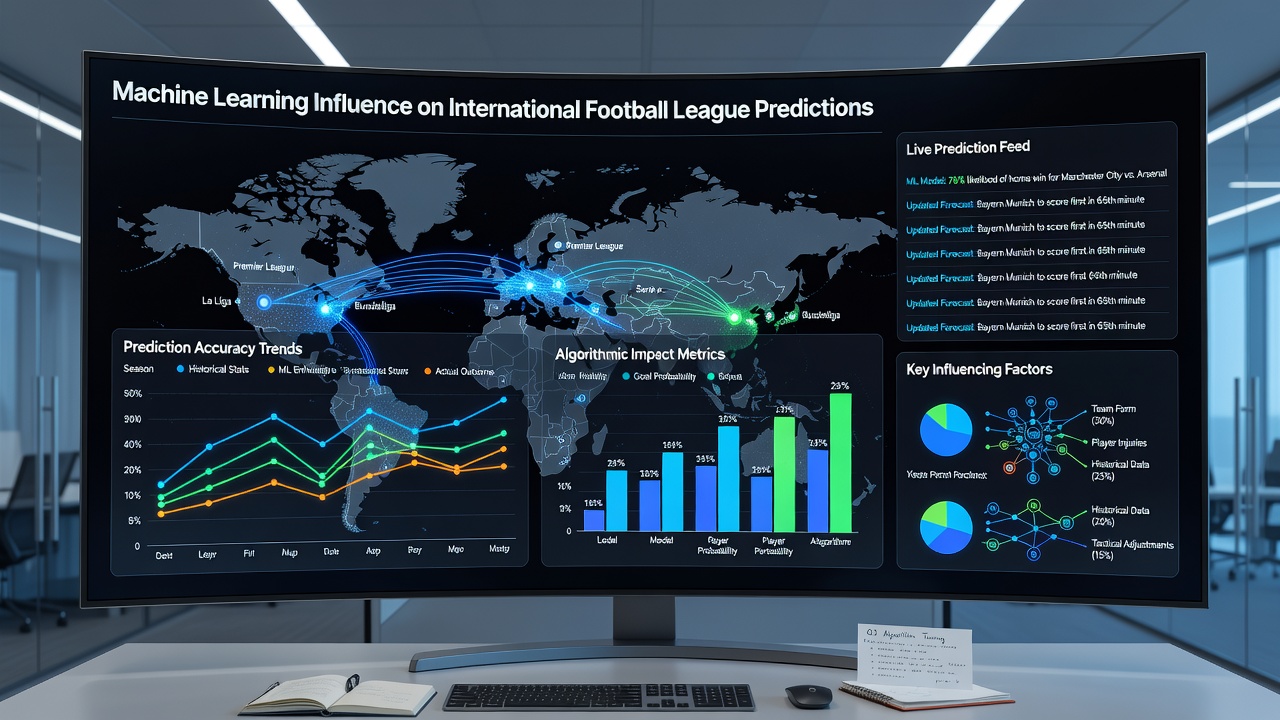
Real-World Influence on Club and Analyst Decisions
Scouting departments at clubs in the Bundesliga and Primeira Liga use machine learning outputs to rank transfer targets by projected contribution metrics, and this shifts recruitment away from purely subjective video scouting toward data-driven shortlists that account for league-specific adaptation curves.
One study revealed that teams adjusting lineups according to algorithm-generated risk assessments for player fatigue recorded fewer late-season injuries during the 2025-2026 campaign, and similar approaches appear in CONMEBOL leagues where travel distances add complexity to scheduling models.
Developments Observed by September 2026
League organizers in North America and Asia adopted standardized data-sharing protocols in early 2026 that feed anonymized match events directly into open-source prediction repositories, and this enables smaller research groups to benchmark their models against those developed by larger organizations with proprietary datasets.
Figures from university-led projects indicate that ensemble models combining on-pitch tracking with betting market odds improve calibration for underdog victories in international fixtures, while researchers continue refining transfer learning techniques that apply knowledge from one league to another with different tactical norms.
Challenges in Implementation Across Regions
Data quality varies between well-documented European leagues and emerging competitions in Africa and Asia, where incomplete historical records force analysts to rely more heavily on imputation methods within the machine learning pipeline, and this affects the reliability of cross-league comparisons during continental tournaments.
Regulatory frameworks in several jurisdictions now require disclosure of algorithmic factors used in official forecasting tools, and observers note that transparency measures encourage broader adoption without compromising competitive advantages held by data-rich clubs.
Conclusion
Machine learning continues to reshape how predictions form for international football leagues by integrating diverse data streams and refining outputs through iterative training, and ongoing work in September 2026 focuses on extending these systems to handle multi-league tournaments with greater contextual awareness. The field benefits from contributions across academic centers and industry groups that prioritize verifiable performance metrics over isolated case results.